
By Khadidja Ba
(Kaieteur News) – Relatives of the victims and survivors of the July 18 MV Barima maritime disaster are raising serious concerns over a lack of communication and procedural clarity from the secretariat of the Commission of Inquiry.
Despite formal public hearings scheduled to commence on Wednesday, October 14, at the Arthur Chung Conference Centre, grieving families report being left in the dark regarding basic processes, the precise purpose of engagement meetings, and how to present evidence to the panel.
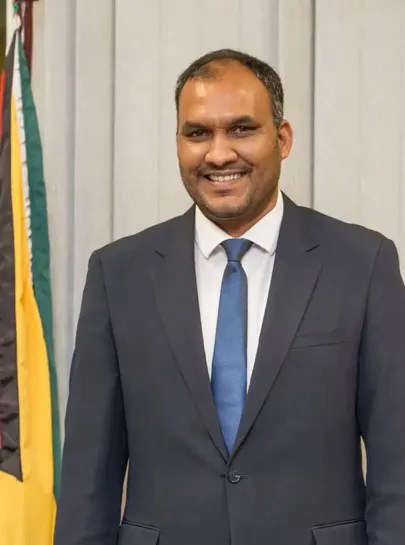
Head of Secretariat, Javed Shadick
Speaking with Kaieteur News, several family members expressed growing frustration with the secretariat, which is headed by attorney Javed Shadick. According to affected relatives specifically from Region One, communication from the secretariat has been fragmented and confusing. Relatives reported attending or being invited to preliminary sessions without receiving prior agendas or clear explanations as to what the engagements aimed to achieve. Regarding the meeting being held today with the commissioners, families reported being told “yesterday about a meeting we gotta attend, we don’t know about what.”
Furthermore, multiple family members and survivors indicated a strong desire to testify and present key accounts, yet they have received no clear instructions on whether the commission will facilitate their testimony, how to register as witnesses, or what support might be provided. Though the commission has entered into the Gazette this information, it remains far removed from the accessibility hurdles faced by persons in outlying regions, an acknowledgement made by President Ali on September 2nd when he called on telecommunication providers in Guyana to invest more in improving services in the hinterland regions. Additionally, there has been no constant outflow of information from the secretariat.
Many families remain unsure whether the secretariat intends to call them individually, collect written statements beforehand, or restrict oral testimonies primarily to technical experts and maritime officials.
One relative, speaking on the condition of anonymity, explained that families want to give their accounts so the truth can come out, but nobody from the secretariat is explaining the process to them. They noted that families are being invited to meetings without knowing what they are about, and no one is telling them how or when they could take the stand.
Shadick had previously stated during media briefings, that early engagements were intended to outline procedures and gather information from affected persons. However, families say these intentions have not translated into effective or empathetic communication on the ground. Language barriers, telecommunication hurdles, knowledge of these processes are all abound.
With the five-member commission, led by technical experts including Polish naval architect Dr. Marek Jasionowski, preparing to commence taking formal evidence on Wednesday, the breakdown in communication threatens to undermine public confidence among those most impacted by the catastrophe.
Family members are calling on the COI secretariat to immediately establish structured, transparent outreach protocols prior to the start of public hearings. They are demanding explicit written and verbal instructions detailing how survivors and victim relatives can submit statements or request to give oral testimony before the Commissioners. They are also requesting prior notification detailing the scope and objective of any engagement hosted by the Secretariat, as well as a dedicated family liaison officer within the Secretariat to address procedural inquiries and provide updates throughout the six-month inquiry period.
As the October 14 commencement date approaches, affected families maintain that full transparency and meaningful inclusion are essential if the Commission is to deliver complete accountability and closure.
Source: Kaieteur News