
…cites falling protection funding, weak labour recruitment oversight
(Kaieteur News) – Guyana’s investigations into human trafficking nearly halved in 2025, while funding for victim protection and prevention fell sharply, according to the 2026 Trafficking in Persons Report released by the United States Department of State. The report said Guyana initiated 16 trafficking investigations last year, down from 31 in 2024, even as it retained its Tier 1 ranking for meeting the minimum standards for eliminating trafficking.
It also raised concerns about the government’s failure to adequately regulate labour recruiters, prevent workers from being charged recruitment fees and sufficiently address trafficking risks at worksites linked to Chinese companies and state-affiliated projects.

Minister of Human Services and Social Security, Dr. Vindyha Persaud
The assessment said that while the government continued to prosecute alleged traffickers, train officials and expand victim assistance, it identified and referred fewer victims to services and reduced funding for protection and prevention efforts. In 2025, the government allocated GYD $116.9 million for victim services, down from GYD $132.6 million in 2024. Funding for prevention fell from GYD $169.5 million to approximately GYD $83.25 million over the same period.
The report also cited concerns raised by non-governmental organisations that some shelters were closed during the reporting period, potentially resulting in some victims being re-victimised. The findings point to the need for more effective monitoring of foreign-worker arrangements, particularly at major construction and mining operations, and stronger safeguards against exploitation. The report was also critical of Guyana’s failure to adequately regulate labour recruiters, despite the influx of recruitment agencies targeting workers for the country’s expanding oil sector.
It noted that, for the fourth consecutive year, the government reviewed legislation intended to regulate labour recruitment but did not finalise the proposed amendments during the reporting period. According to the report, the existing legal framework does not prohibit employers, recruiters or labour agents from charging workers recruitment and placement fees, switching contracts without workers’ consent or withholding wages as a means of keeping workers in compelled service. The government also lacked a formal mechanism to oversee recruitment and screen for trafficking indicators throughout the hiring process.
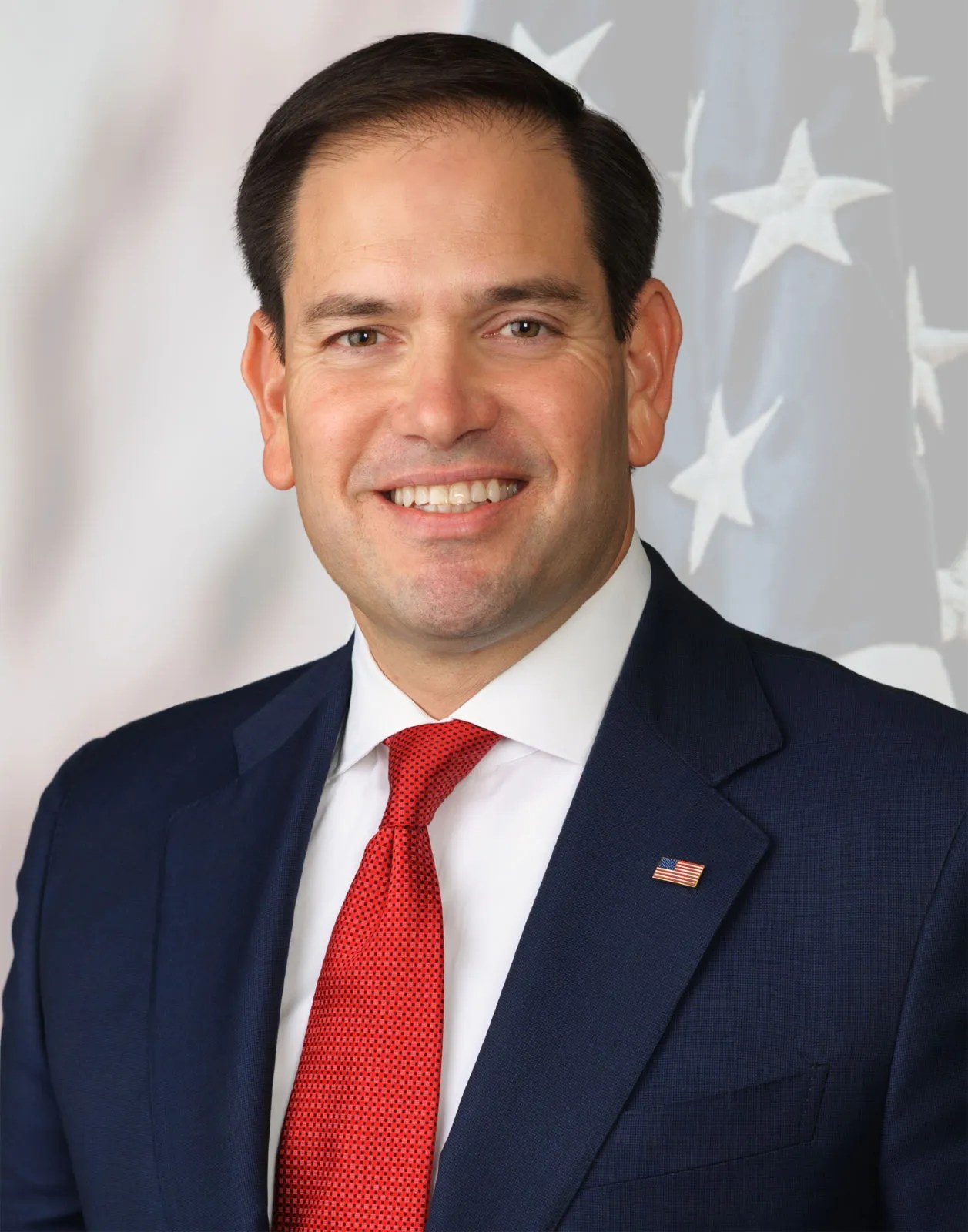
United States Secretary of State, Marco Rubio
According to the report, the government identified 390 trafficking victims in 2025, comprising 304 females exploited in sex trafficking, 85 adult males exploited in forced labour and one boy exploited in an unspecified form of trafficking. The victims included 15 Guyanese nationals and 375 foreign nationals from Venezuela, Brazil, Cuba, the Dominican Republic, India and Colombia. However, the report said only 25 victims were referred to care during the year.
The government provided shelter, healthcare, counselling, legal services and repatriation assistance directly and through civil society organisations. It also completed construction of a 30-person transition home in July 2025 for victims participating in a voluntary 10-day reflection period.
Nevertheless, the report identified difficulties in reaching victims in remote regions, where geographical distances delay social services. Language barriers also complicated assistance to foreign victims, while fear and trauma made some reluctant to accept support. It further noted that victims must be formally identified before accessing services and that some non-governmental organisations expressed concerns about their ability to participate in the national referral mechanism once a suspected victim enters government care.
Prosecutions and lengthy trials
Additionally, reported noted that the government prosecuted four suspects in 2025 — two for sex trafficking and two for forced labour and secured one conviction for sex trafficking, resulting in a prison sentence of at least 48 months. This compared with three suspects prosecuted and one trafficker convicted in 2024. Authorities also detained a trafficker who had been convicted in absentia during the previous reporting period. In one suspected labour-trafficking case, however, the government settled the matter rather than pursuing a criminal conviction, the report stated.
The defendant was ordered to pay the victim for unpaid wages and cover the cost of transportation to the victim’s home country. The report noted that trafficking and other major criminal trials take an average of two years to complete and can last as long as four years because of shortages of trained court personnel, postponements and delays in preparing cases. It also highlighted a provision in the anti-trafficking law requiring victims to testify in order for prosecutions to proceed. Officials reportedly dropped cases when victims declined to testify. The report said the law provides for restitution and asset forfeiture following convictions but lacks an effective mechanism to enforce those judgments when traffickers fail to pay. Restitution payments can also be deferred while a defendant’s appeal is pending.
Cuban workers
This year’s report again addressed concerns involving Cuban workers employed in Guyana. It said the government sought to establish fair labour conditions for Cuban workers and address forced-labour concerns, prompting the Cuban regime to end its bilateral health cooperation agreement with Guyana in early 2026. At the beginning of the year, approximately 110 of the 370 Cuban regime-affiliated workers in Guyana remained in the country after authorities offered them direct employment and protection; the others returned to Cuba. However, observers reported that the government did not consistently ensure that workers who remained received their wages.
The report said the government continued awareness campaigns targeting vulnerable populations, including miners, hotel operators, Indigenous community leaders and schools. It also operated three anti-trafficking hotlines and introduced a QR-code reporting system in July 2025. Despite these measures, observers noted that poor mobile phone coverage in many mining areas limited the effectiveness of the hotlines among communities vulnerable to trafficking.
Source: Kaieteur News