





…as local firms urged to invest in standards to tap into global markets
While American companies have expressed significant interests in investing in Guyana, they are often hindered by issues such as energy costs, onerous tax regimes, and inaccessibility to land, United States Ambassador Nicole Theriot had said.
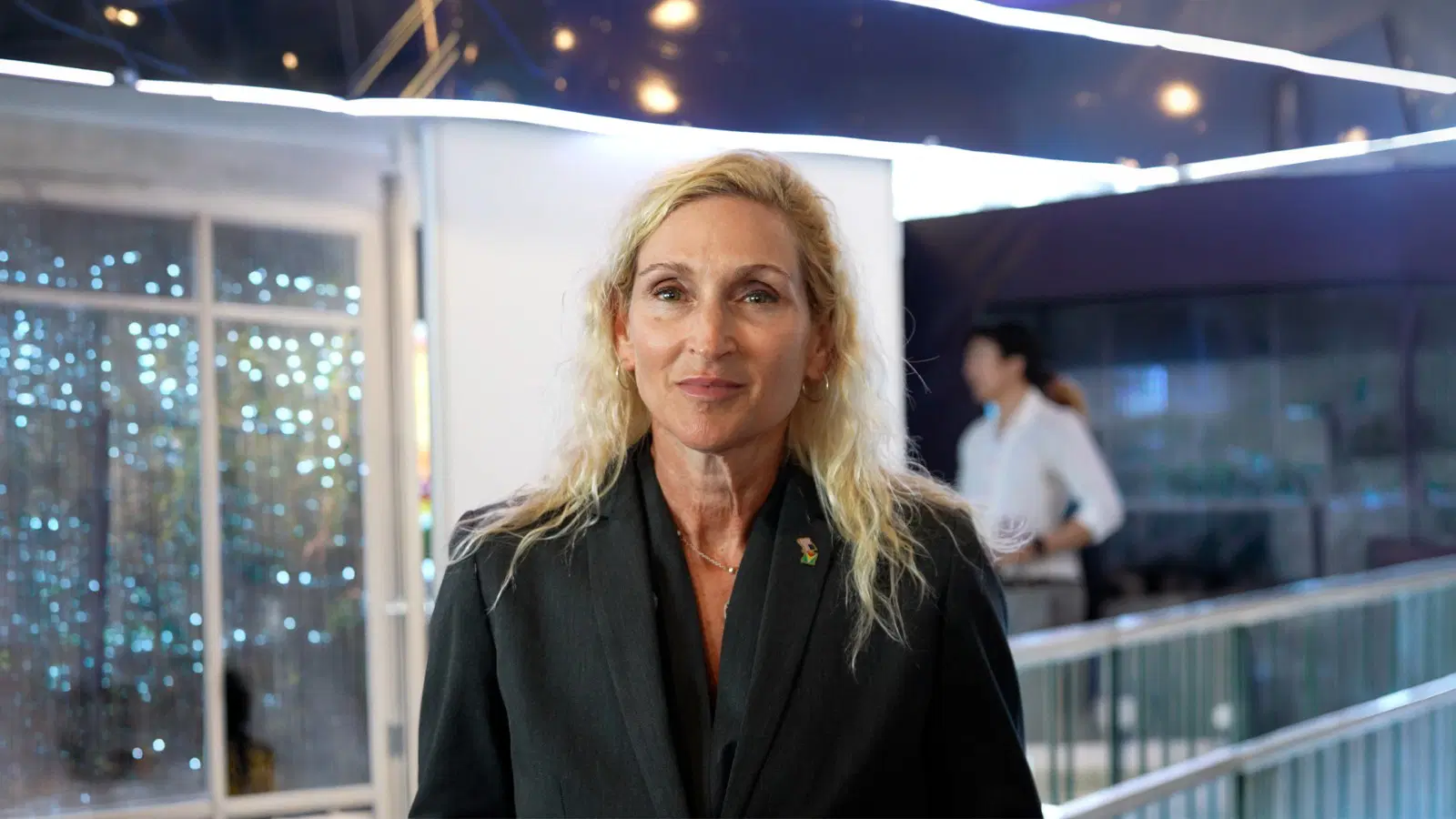
She made the remarks on Tuesday during a panel discussion hosted by the Guyana Manufacturing and Services Association (GMSA) at its annual business luncheon.
Ambassador Theriot explained that US firms were eager to tap into sectors in Guyana including agro-processing, agri technology, infrastructure, health care, and housing, but many are obstructed from moving forward with their ideas owing to several local realities.
“I have talked in the last month and a half with US companies who are interested in all of these sectors, so why aren’t there more here already?
“What companies tell me, time and time again, is that they struggle to find local partners who can deliver at scale. They also face potential hurdles like logistics, energy costs, an onerous and unpredictable tax regime and access to land and skilled workers,” the Ambassador noted.
Similar reasons exist for why US companies already operating here continue to import most of their goods and services, the diplomat added.
According to Ambassador Theriot, oftentimes when a US company passes over a local supplier, it is because of the firm’s inability to meet certain specifications, deliver the same quality consistently, and scale up when required.
“What international buyers want is the right product, at the right quality, delivered on time, consistently, and that requires strong quality control, safety practices and management, and a system that demonstrates you can meet international standards. These are the things that turn a local supplier into a global one,” she said.
Ambassador Theriot explained that US firms were eager to tap into sectors in Guyana including agro-processing, agri technology, infrastructure, health care, and housing, but many are obstructed from moving forward with their ideas owing to several local realities.
“I have talked in the last month and a half with US companies who are interested in all of these sectors, so why aren’t there more here already?
“What companies tell me, time and time again, is that they struggle to find local partners who can deliver at scale. They also face potential hurdles like logistics, energy costs, an onerous and unpredictable tax regime and access to land and skilled workers,” the Ambassador noted.
Similar reasons exist for why US companies already operating here continue to import most of their goods and services, the diplomat added.
According to Ambassador Theriot, oftentimes when a US company passes over a local supplier, it is because of the firm’s inability to meet certain specifications, deliver the same quality consistently, and scale up when required.
“What international buyers want is the right product, at the right quality, delivered on time, consistently, and that requires strong quality control, safety practices and management, and a system that demonstrates you can meet international standards. These are the things that turn a local supplier into a global one,” she said.

Nonetheless, she acknowledged that there are local companies that have been able to deliver on the necessary requirements to guarantee successful partnerships and tap into global markets.
“When it’s done right, that kind of partnership delivers much more than foreign capital – capital matters, of course, but if we want long-term economic transformation, what matters most is what capital creates: stronger Guyanese companies, better trained workers, new technology, internationally-recognised standards and Guyanese products that are competitive in the global market,” she emphasised.
According to the envoy, stakeholders should move past the question of “how do we do business with the US” towards a more ambitious question, “how do we work together to build Guyanese companies that the United States and the rest of the world want to do business with?”
The objective, she noted, is to make more Guyanese businesses ready for investment and export.
“When it’s done right, that kind of partnership delivers much more than foreign capital – capital matters, of course, but if we want long-term economic transformation, what matters most is what capital creates: stronger Guyanese companies, better trained workers, new technology, internationally-recognised standards and Guyanese products that are competitive in the global market,” she emphasised.
According to the envoy, stakeholders should move past the question of “how do we do business with the US” towards a more ambitious question, “how do we work together to build Guyanese companies that the United States and the rest of the world want to do business with?”
The objective, she noted, is to make more Guyanese businesses ready for investment and export.
Investing in standards
Also speaking on the panel was Tourism, Industry and Commerce Minister Susan Rodrigues, who emphasised the importance of getting local companies ready for the global market.
In this regard, she underscored the importance of businesses investing in standards and certifications.
“I would like to encourage small business owners, business owners in general, to view standards and certification as an investment in your business and not another compliance requirement. Certification and standards, incorporating quality standards in your business is an investment in your business, it’s not about fulfilling a compliance requirement from the Government or any regulatory agency, it adds value to your business; it is an investment in your business. You might see it as jumping through some hoops, getting over some hurdles, but it is an investment and it is worth it in your business,” Rodrigues noted.
However, she emphasised that meeting a national standard did not automatically satisfy every export market.
“So, there is still a lot of research that exporters need to do to understand what is the requirement for the export market, that is, the US market, EU market, regional markets, every market has their own specifications,” the Minister added.
In fact, Rodrigues encouraged new startups to invest in standards and certifications upfront – and not wait until their business grows.
“From the moment you start to think about starting up your business, whether it’s an agro-processing business, a small manufacturing business, you have to begin that journey by setting a very high standard for yourself by saying ‘I wanna prepare this product for international standards’, not first to sell to the local business community here in Guyana but regionally, internationally, and let that be in the forefront of your mind in the beginning, so you build that process and quality into your product from the beginning, rather than the end of the process, then you’re thinking ‘how do I make this product compliant with this particular market?’,” she outlined.
Moreover, Minister Rodrigues underscored the importance of local businesses, many of which are family-owned, modernising their operations. She pointed to the fact that many local businesses have owners involved in the day-to-day aspect of the firm’s operations, something which needed to change.
“…we feel like we have to be everybody, we have to be the cleaner, we have to be the accounts clerk, the accountant, the HR person, you know, just everybody for your business, the business owner, the boss, the delivery person and there was a time when your business probably went through that phase…but there is no reason you have to sit down and actually input receipts into QuickBooks for your own business, there are local companies that can help, you can outsource these things, so you can focus on growing your business, you can focus on your marketing strategy, you can focus on your certifications so you have access to new markets, you can focus on productivity. So, you must not get bogged down by the routine running of your business and think big,” she noted.
Also speaking on the panel was Tourism, Industry and Commerce Minister Susan Rodrigues, who emphasised the importance of getting local companies ready for the global market.
In this regard, she underscored the importance of businesses investing in standards and certifications.
“I would like to encourage small business owners, business owners in general, to view standards and certification as an investment in your business and not another compliance requirement. Certification and standards, incorporating quality standards in your business is an investment in your business, it’s not about fulfilling a compliance requirement from the Government or any regulatory agency, it adds value to your business; it is an investment in your business. You might see it as jumping through some hoops, getting over some hurdles, but it is an investment and it is worth it in your business,” Rodrigues noted.
However, she emphasised that meeting a national standard did not automatically satisfy every export market.
“So, there is still a lot of research that exporters need to do to understand what is the requirement for the export market, that is, the US market, EU market, regional markets, every market has their own specifications,” the Minister added.
In fact, Rodrigues encouraged new startups to invest in standards and certifications upfront – and not wait until their business grows.
“From the moment you start to think about starting up your business, whether it’s an agro-processing business, a small manufacturing business, you have to begin that journey by setting a very high standard for yourself by saying ‘I wanna prepare this product for international standards’, not first to sell to the local business community here in Guyana but regionally, internationally, and let that be in the forefront of your mind in the beginning, so you build that process and quality into your product from the beginning, rather than the end of the process, then you’re thinking ‘how do I make this product compliant with this particular market?’,” she outlined.
Moreover, Minister Rodrigues underscored the importance of local businesses, many of which are family-owned, modernising their operations. She pointed to the fact that many local businesses have owners involved in the day-to-day aspect of the firm’s operations, something which needed to change.
“…we feel like we have to be everybody, we have to be the cleaner, we have to be the accounts clerk, the accountant, the HR person, you know, just everybody for your business, the business owner, the boss, the delivery person and there was a time when your business probably went through that phase…but there is no reason you have to sit down and actually input receipts into QuickBooks for your own business, there are local companies that can help, you can outsource these things, so you can focus on growing your business, you can focus on your marketing strategy, you can focus on your certifications so you have access to new markets, you can focus on productivity. So, you must not get bogged down by the routine running of your business and think big,” she noted.
Growth
As more companies are being encouraged to embark on this journey, Minister Rodrigues pointed to successes already achieved. She highlighted that from 2020 to now, there has been an increase in exports of locally-manufactured merchandise, from US$5.2 billion in 2020 to US$20.1 billion, based on data available through the Department of Commerce.
Additionally, she noted that total cargo imports and exports have increased by 88.5 per cent from 2020 to now – a strong indicator of the increase in trade.
“Trade is happening a lot,” the Minister remarked.
Moreover, she revealed that over the past six years, some 6500 new small and medium-sized enterprises were registered at the Small Business Bureau, which pointed to an active small business sector in the country.
As more companies are being encouraged to embark on this journey, Minister Rodrigues pointed to successes already achieved. She highlighted that from 2020 to now, there has been an increase in exports of locally-manufactured merchandise, from US$5.2 billion in 2020 to US$20.1 billion, based on data available through the Department of Commerce.
Additionally, she noted that total cargo imports and exports have increased by 88.5 per cent from 2020 to now – a strong indicator of the increase in trade.
“Trade is happening a lot,” the Minister remarked.
Moreover, she revealed that over the past six years, some 6500 new small and medium-sized enterprises were registered at the Small Business Bureau, which pointed to an active small business sector in the country.
Contents
…as local firms urged to invest in standards to tap into global marketsWhile American companies have expressed significant interests in investing in Guyana, they are often hindered by issues such as energy costs, onerous tax regimes, and inaccessibility to land, United States Ambassador Nicole Theriot had said.She made the remarks on Tuesday during a panel discussion hosted by the Guyana Manufacturing and Services Association (GMSA) at its annual business luncheon.
Ambassador Theriot explained that US firms were eager to tap into sectors in Guyana including agro-processing, agri technology, infrastructure, health care, and housing, but many are obstructed from moving forward with their ideas owing to several local realities.
“I have talked in the last month and a half with US companies who are interested in all of these sectors, so why aren’t there more here already?
“What companies tell me, time and time again, is that they struggle to find local partners who can deliver at scale. They also face potential hurdles like logistics, energy costs, an onerous and unpredictable tax regime and access to land and skilled workers,” the Ambassador noted.
Similar reasons exist for why US companies already operating here continue to import most of their goods and services, the diplomat added.
According to Ambassador Theriot, oftentimes when a US company passes over a local supplier, it is because of the firm’s inability to meet certain specifications, deliver the same quality consistently, and scale up when required.
“What international buyers want is the right product, at the right quality, delivered on time, consistently, and that requires strong quality control, safety practices and management, and a system that demonstrates you can meet international standards. These are the things that turn a local supplier into a global one,” she said.Nonetheless, she acknowledged that there are local companies that have been able to deliver on the necessary requirements to guarantee successful partnerships and tap into global markets.
“When it’s done right, that kind of partnership delivers much more than foreign capital – capital matters, of course, but if we want long-term economic transformation, what matters most is what capital creates: stronger Guyanese companies, better trained workers, new technology, internationally-recognised standards and Guyanese products that are competitive in the global market,” she emphasised.
According to the envoy, stakeholders should move past the question of “how do we do business with the US” towards a more ambitious question, “how do we work together to build Guyanese companies that the United States and the rest of the world want to do business with?”
The objective, she noted, is to make more Guyanese businesses ready for investment and export.Investing in standards
Also speaking on the panel was Tourism, Industry and Commerce Minister Susan Rodrigues, who emphasised the importance of getting local companies ready for the global market.
In this regard, she underscored the importance of businesses investing in standards and certifications.
“I would like to encourage small business owners, business owners in general, to view standards and certification as an investment in your business and not another compliance requirement. Certification and standards, incorporating quality standards in your business is an investment in your business, it’s not about fulfilling a compliance requirement from the Government or any regulatory agency, it adds value to your business; it is an investment in your business. You might see it as jumping through some hoops, getting over some hurdles, but it is an investment and it is worth it in your business,” Rodrigues noted.
However, she emphasised that meeting a national standard did not automatically satisfy every export market.
“So, there is still a lot of research that exporters need to do to understand what is the requirement for the export market, that is, the US market, EU market, regional markets, every market has their own specifications,” the Minister added.
In fact, Rodrigues encouraged new startups to invest in standards and certifications upfront – and not wait until their business grows.
“From the moment you start to think about starting up your business, whether it’s an agro-processing business, a small manufacturing business, you have to begin that journey by setting a very high standard for yourself by saying ‘I wanna prepare this product for international standards’, not first to sell to the local business community here in Guyana but regionally, internationally, and let that be in the forefront of your mind in the beginning, so you build that process and quality into your product from the beginning, rather than the end of the process, then you’re thinking ‘how do I make this product compliant with this particular market?’,” she outlined.
Moreover, Minister Rodrigues underscored the importance of local businesses, many of which are family-owned, modernising their operations. She pointed to the fact that many local businesses have owners involved in the day-to-day aspect of the firm’s operations, something which needed to change.
“…we feel like we have to be everybody, we have to be the cleaner, we have to be the accounts clerk, the accountant, the HR person, you know, just everybody for your business, the business owner, the boss, the delivery person and there was a time when your business probably went through that phase…but there is no reason you have to sit down and actually input receipts into QuickBooks for your own business, there are local companies that can help, you can outsource these things, so you can focus on growing your business, you can focus on your marketing strategy, you can focus on your certifications so you have access to new markets, you can focus on productivity. So, you must not get bogged down by the routine running of your business and think big,” she noted.Growth
As more companies are being encouraged to embark on this journey, Minister Rodrigues pointed to successes already achieved. She highlighted that from 2020 to now, there has been an increase in exports of locally-manufactured merchandise, from US$5.2 billion in 2020 to US$20.1 billion, based on data available through the Department of Commerce.
Additionally, she noted that total cargo imports and exports have increased by 88.5 per cent from 2020 to now – a strong indicator of the increase in trade.
“Trade is happening a lot,” the Minister remarked.
Moreover, she revealed that over the past six years, some 6500 new small and medium-sized enterprises were registered at the Small Business Bureau, which pointed to an active small business sector in the country.Discover more from Guyana Times
Discover more from Guyana Times
Subscribe to get the latest posts sent to your email.
Source: Guyana Times



