




…says structured reintegration critical to keeping young offenders from returning to prison
(Kaieteur News) – The prison parole programme has been reimplemented after a four-year hiatus, with the government now placing greater emphasis on the supervised reintegration of inmates into society.
Minister of Home Affairs Oneidge Walrond made the disclosure during a recent appearance on the Starting Point Podcast, where she outlined ongoing efforts to strengthen rehabilitation and reintegration within the prison system. “A couple weeks ago I had my first set of parolees after four, five years. So, we started to reimplement the parole programme,” Walrond said.
She explained that the programme allows persons who have served an extended period in prison to be released on parole under supervision, with the aim of preventing young people in their productive years from languishing behind bars while providing them with an opportunity to redirect their lives.

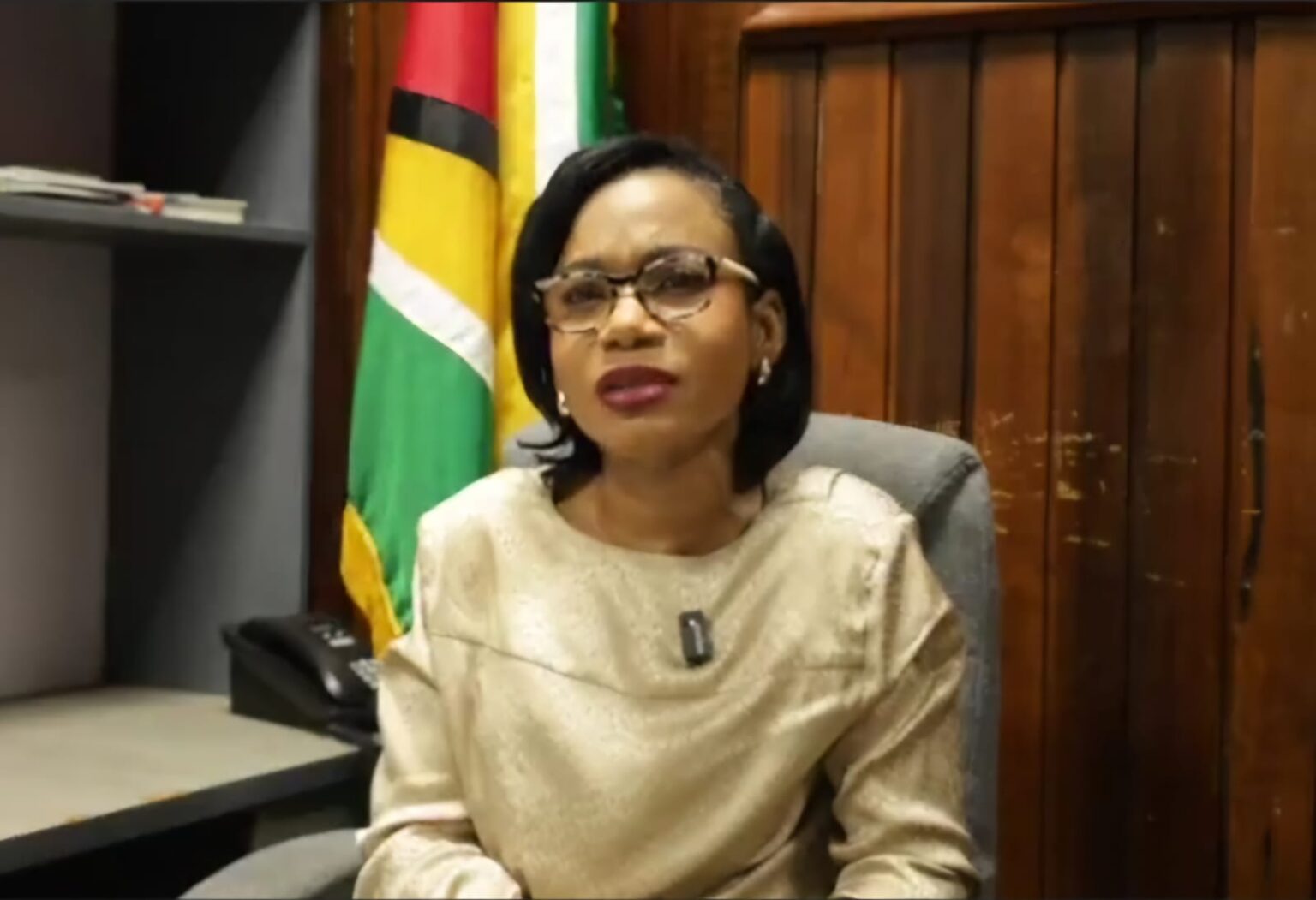
Minister of Home Affairs, Oneidge Walrond
Walrond said particular attention is being paid to young inmates, especially those in their late teens and early twenties who are entering the prison system. She said rehabilitation must begin while inmates are incarcerated, with greater emphasis being placed on education, skills training and counselling.
“What can we do to rehabilitate the individual while they are incarcerated? Which skill can they hone?” the minister said, outlining some of the questions guiding the rehabilitation process.
She said amendments to the Prison Act are expected to provide the Ministry of Home Affairs with greater legal scope to expand its rehabilitation and reintegration efforts.
According to Walrond, while progress is being made in skills development and counselling, the prison system is also looking to expand sporting programmes as part of its rehabilitation strategy.
Boxing has already resumed, with several inmates taking lessons as the authorities seek to rekindle young offenders’ interest in sport and other constructive activities.
However, Walrond stressed that rehabilitation does not end when an inmate walks through the prison gates. She said structured reintegration and proper supervision are necessary to ensure that parolees can successfully transition back into society while remaining accountable. “And so that programme, that is what we still need building out to make sure that we are reintegrating safely into society, and ensuring that all of the training that’s being done, it’s actually turning out individuals who are productive members of society,” she said.
Walrond said the Government is also exploring opportunities with the private sector to ensure that inmates who acquire vocational skills while incarcerated can find employment upon release.
She pointed specifically to skills such as joinery and carpentry, noting that discussions are being held with the Guyana Manufacturing and Services Association (GCCI) and other private-sector stakeholders to connect trained former inmates with employers in need of skilled workers.
“We are making sure that we redirect them whether it’s private sector. That’s another discussion we’re having with the private sector, (with) GCCI, to direct them to places that will need their skill and we know that those skills are needed,” she said.
For former inmates who wish to establish their own businesses using skills acquired during incarceration, the Government provides what is known as a “Fresh Start Kit” to help them get started.
Walrond said released inmates are also directed to agencies and other support services that can assist them with their return to society. The minister said the broader objective is to ensure that rehabilitation inside prison translates into productive and sustainable lives after release, while reducing the likelihood of former inmates returning to the criminal justice system.
Source: Kaieteur News



