



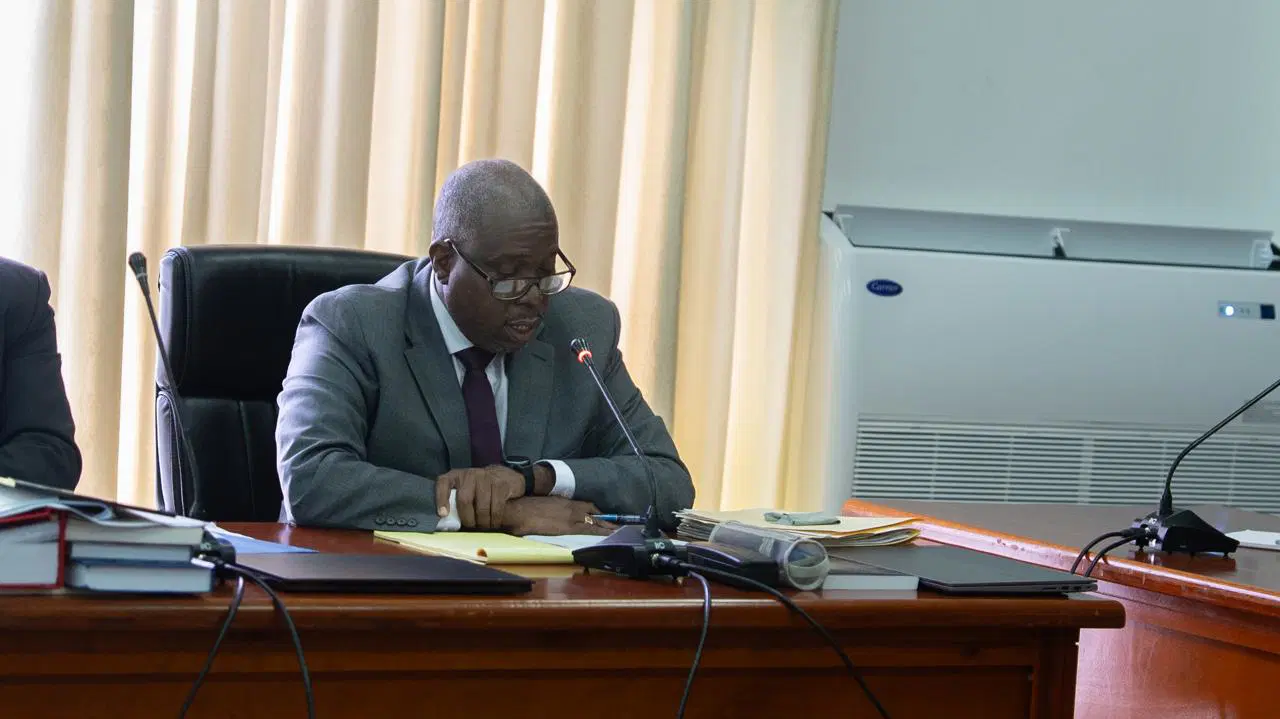

The Commission of Inquiry into the MV Barima tragedy will examine whether failures by individuals, institutions or systems contributed to the disaster, with its lawyers approaching the evidence without preconceived conclusions, co-counsel Teni Housty said on Wednesday.
Speaking at the commencement of substantive hearings, Housty said the inquiry must look beyond the immediate circumstances of the ferry’s capsizing and sinking to examine the decisions and systems that preceded it, as well as the emergency response.
“The fundamental questions are straightforward, although the answers may be complex. What happened? Why did it happen? Could it have been prevented?” Housty said.
“Were there failures of individuals, institutions, or systems? And what must be done to ensure that such a tragedy does not occur again?”
Housty, who appears alongside Arudhanath Gossai as co-counsel to the Commission, said their responsibility was to help establish the facts through the careful collection, presentation and examination of relevant evidence.
He stressed that counsel assisting the inquiry did not represent any particular party or interest.
“Our role is neither to prosecute nor to defend any individual institution or organization,” he said.
“Our obligation is not to establish blame but to assist in establishing the truth.”

The MV Barima capsized and sank on the night of July 18, 2026, causing loss of life and leaving others unaccounted for. Housty said the tragedy had brought immeasurable grief and suffering to families and communities across Guyana.
Extending condolences to bereaved families and sympathy to survivors, he acknowledged the limits of what the proceedings could achieve.
“We recognize that no inquiry, however thorough, can restore the lives lost or erase the pain endured by their families,” he said.
Nevertheless, he said, the inquiry offered an important opportunity to establish the truth, provide answers and identify measures to prevent a recurrence.
Within its Terms of Reference, the Commission will seek to establish the sequence of events and the immediate and contributing causes of the disaster, as far as the evidence allows.
Housty said counsel’s duties include identifying matters requiring examination, leading evidence, questioning witnesses and assisting commissioners with legal and procedural issues.
All material evidence must be fairly presented, whether it favours or adversely affects a particular person or institution, he said.
“We approach this responsibility objectively and without preconceived conclusions.”
Housty pledged that the proceedings would be conducted in a manner worthy of the confidence of affected families, survivors, witnesses and the wider public.
Source: NEW ROOMS SITE



