



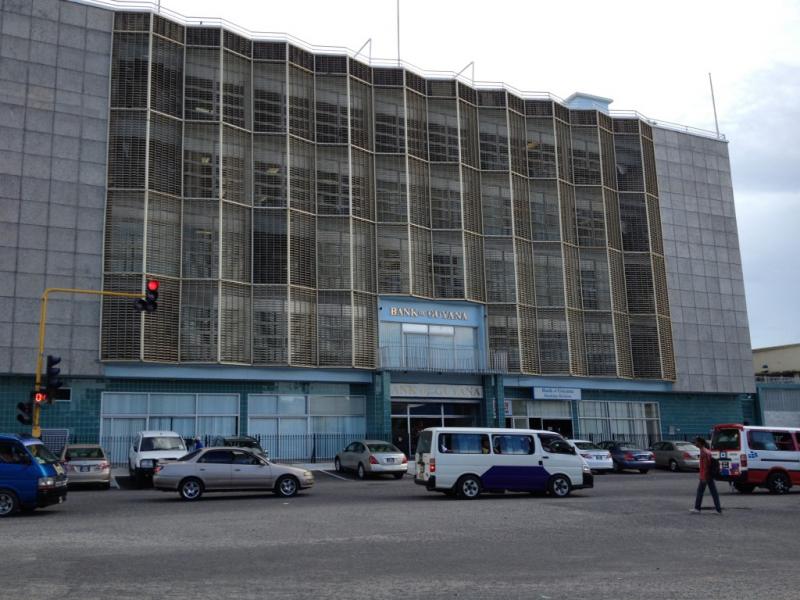

Credit to agriculture, manufacturing and mining declined during the first half of this year, despite overall private-sector credit growth of 11.5%, according to the Bank of Guyana’s 2026 Half-Year Report.
Agricultural credit fell by 3.1%, manufacturing by 4.4% and mining by 16.5%, while mortgage lending expanded by 21.2%.
The uneven lending pattern comes as the government promotes diversification and greater access to financing for businesses outside the petroleum industry.
Stabroek News had reported in January that Budget 2026 allocated US$100 million for the Guyana Development Bank. The announced measures also included a co-investment arrangement intended to help small and medium-sized enterprises access up to an additional $7 million at preferential rates through participating commercial banks.
Meanwhile, commercial banks have expanded housing finance. In February, Demerara Bank had announced that its residential lending ceiling would increase from $30 million to $40 million while retaining a 5% annual interest rate. Republic Bank subsequently announced mortgages of up to $60 million at 5%.
The credit figures also accompany weaker performance in some productive sectors. Kiskadee Watch’s reporting on the Finance Ministry’s mid-year assessment recorded manufacturing growth of 3% and a 0.5% contraction in agriculture, forestry and fishing. Other crops declined by 6.4% following prolonged rainfall.
In its September response to that assessment, APNU highlighted declining agricultural credit and called for greater investment in drainage, irrigation and protection against flooding and drought. It also questioned the downward revisions to the government’s non-oil and agricultural growth forecasts.
The outstanding credit figures measure lending balances and do not, by themselves, establish whether the declines resulted from reduced borrowing, repayments or tighter lending conditions.
Meanwhile, prices for vegetables and vegetable products increased by 26.8% between December and June, while fruit prices rose by 13.1%, according to the report. The bank attributed the increases mainly to reduced supplies following heavy rainfall and flooding.
The figures provide further context for complaints from shoppers and vendors about the cost of everyday foods.
Kiskadee Watch reported in July that Georgetown market vendors were reducing purchases and shrinking their businesses as wholesale prices increased, while households were changing meals to stretch their budgets.
Bourda vendor Mohanram Singh said a bag of boulanger that previously cost between $6,000 and $8,000 had risen to approximately $13,000. He also reported higher cabbage, eschallot and celery prices.
Shopper Sureya Howard said her household was combining greens with potatoes, eddoes and other foods to make meals go further. At Kitty Market, vendor Annette Singh said she had reduced the size of her stand because both she and her customers were buying less.
The Finance Ministry’s mid-year assessment, previously reported by Kiskadee Watch, recorded an overall food-price increase of 6.7% during January–June. Vegetables and vegetable products contributed 2.5 percentage points to the 4.4% increase in overall consumer prices.
President Irfaan Ali defended the government’s management of inflation, citing the 12-month rate of 4% as at June and higher international fuel prices. That measure compares prices with June last year, whereas the six-month figures measure changes since December.
Budget 2026 had set aside $9 billion for additional measures to ease cost-of-living pressures. The government said interventions would be developed through continued consultations.
Source: Kiskadee Watch



