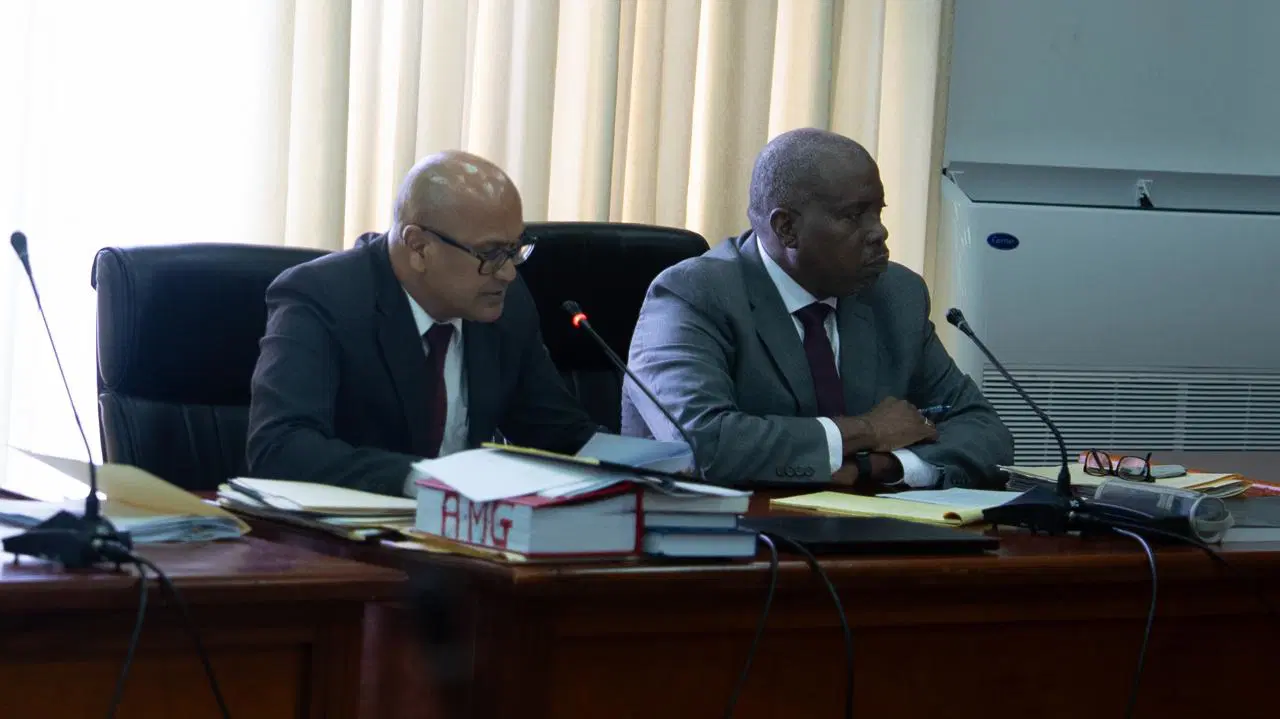

No person or institution will be shielded from scrutiny during the Commission of Inquiry into the MV Barima tragedy, but none will be condemned without sufficient evidence, co-counsel Arudhanath Gossai said on Wednesday as substantive hearings began.
Gossai said the inquiry would examine six principal areas, ranging from the vessel’s seaworthiness and loading to the conduct of its crew, regulatory oversight and the emergency response.
“No person or institution would be shielded from proper scrutiny, and equally, no person or institution would be condemned without sufficient evidence,” he told the Commission.
He said the investigation must go beyond establishing what happened when the ferry capsized and sank on July 18, 2026, to identify reforms needed to strengthen maritime safety and protect lives.
The six areas of investigation, drawn from the Commission’s Terms of Reference, cover the vessel’s condition, maintenance, stability, inspection and certification; passenger and cargo operations; crew qualifications and conduct; search, rescue and recovery operations; institutional oversight; and human factors surrounding the disaster.
The examination of passenger and cargo operations will include loading procedures, passenger numbers, cargo quantities, manifests and the adequacy of life-saving equipment.
The inquiry will also scrutinise the actions and decisions of the master, officers and crew before and during the emergency, alongside the timeliness, adequacy and coordination of rescue and recovery efforts.
Regulatory scrutiny will include the roles and responsibilities of the Transport and Harbours Department and the Maritime Administration Department. Communication, training, risk assessment and emergency decision-making will also be examined.
“These matters will be examined individually and collectively to determine whether any acts, omissions, or systemic shortcomings contributed to the tragedy,” Gossai said.
He told the Commission that preparatory work by counsel and the Secretariat had included collecting maritime documents, identifying potential witnesses and recording witness statements.
Survivors, eyewitnesses, technical personnel and representatives of relevant institutions are expected to provide important evidence about the vessel, its operations, the sinking and the subsequent response.
Gossai pledged that witnesses would be examined fairly, thoroughly and respectfully. Where accounts differ, counsel will explore those differences and, where possible, test them against documentary, technical and other independent evidence.
“No witness’s account will be accepted or rejected without proper consideration,” he said.
While the Commission has significant investigative powers, Gossai stressed that it is neither a criminal court nor a body exercising civil jurisdiction. Its purpose is to establish facts, identify causes and contributing factors, and make findings and recommendations within its mandate.
However, he acknowledged that those findings could have serious consequences for individuals and institutions, making procedural fairness essential.
Anyone facing possible adverse criticism must have a fair opportunity to respond, he said, in accordance with the Commission’s rules and the applicable legal framework.
Gossai said the inquiry’s independence and credibility would depend on the evidence presented, the fairness of its procedures and the soundness of its conclusions.
The families of those who died, survivors and the wider public were entitled to a careful, credible and independent examination of the disaster, he said.
“Ultimately, this inquiry must do more than establish what happened on the night of 18 July 2026,” Gossai said.
“It must also identify the lessons to be learned and the reforms necessary to strengthen maritime safety and protect human lives.”
Source: NEW ROOMS SITE